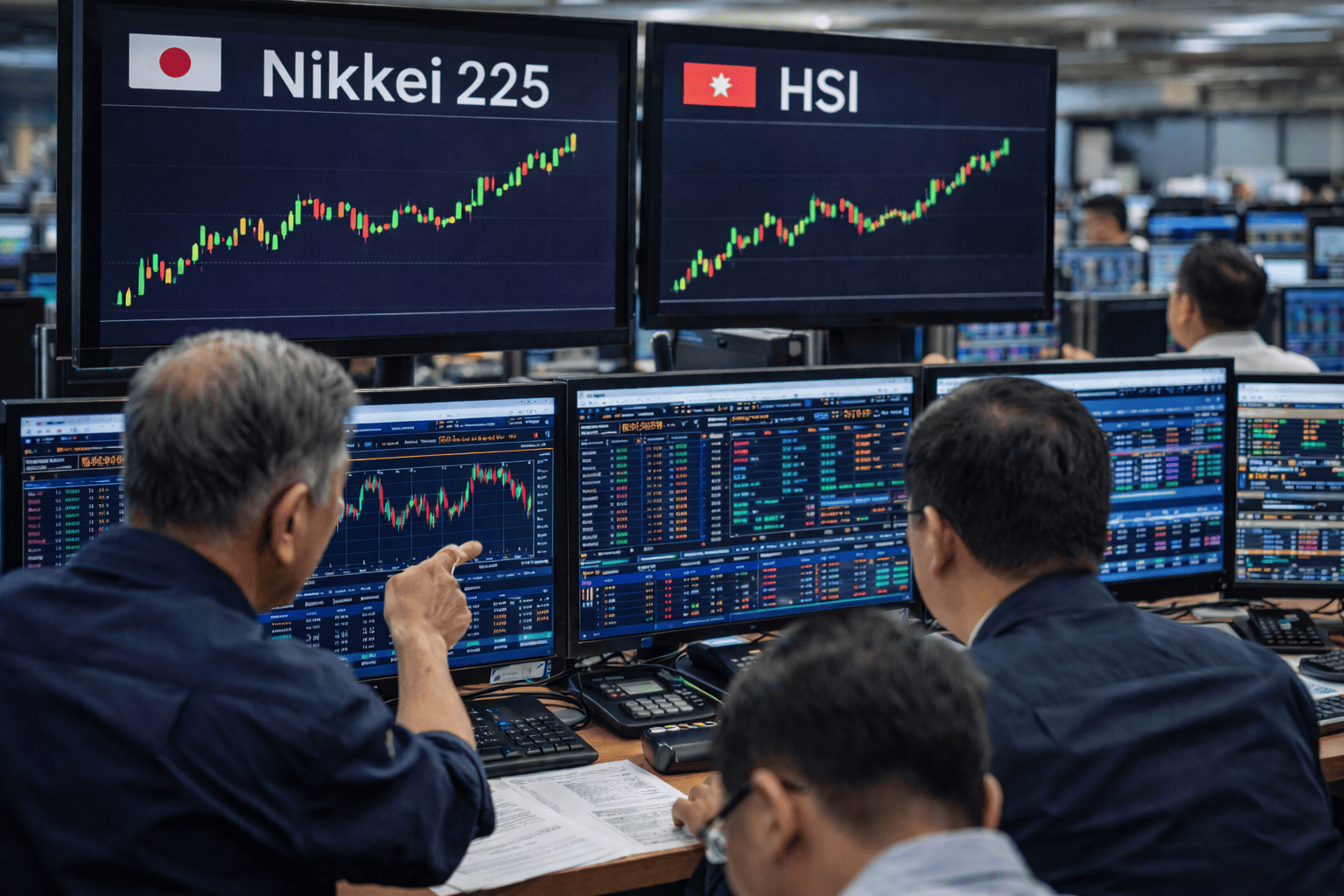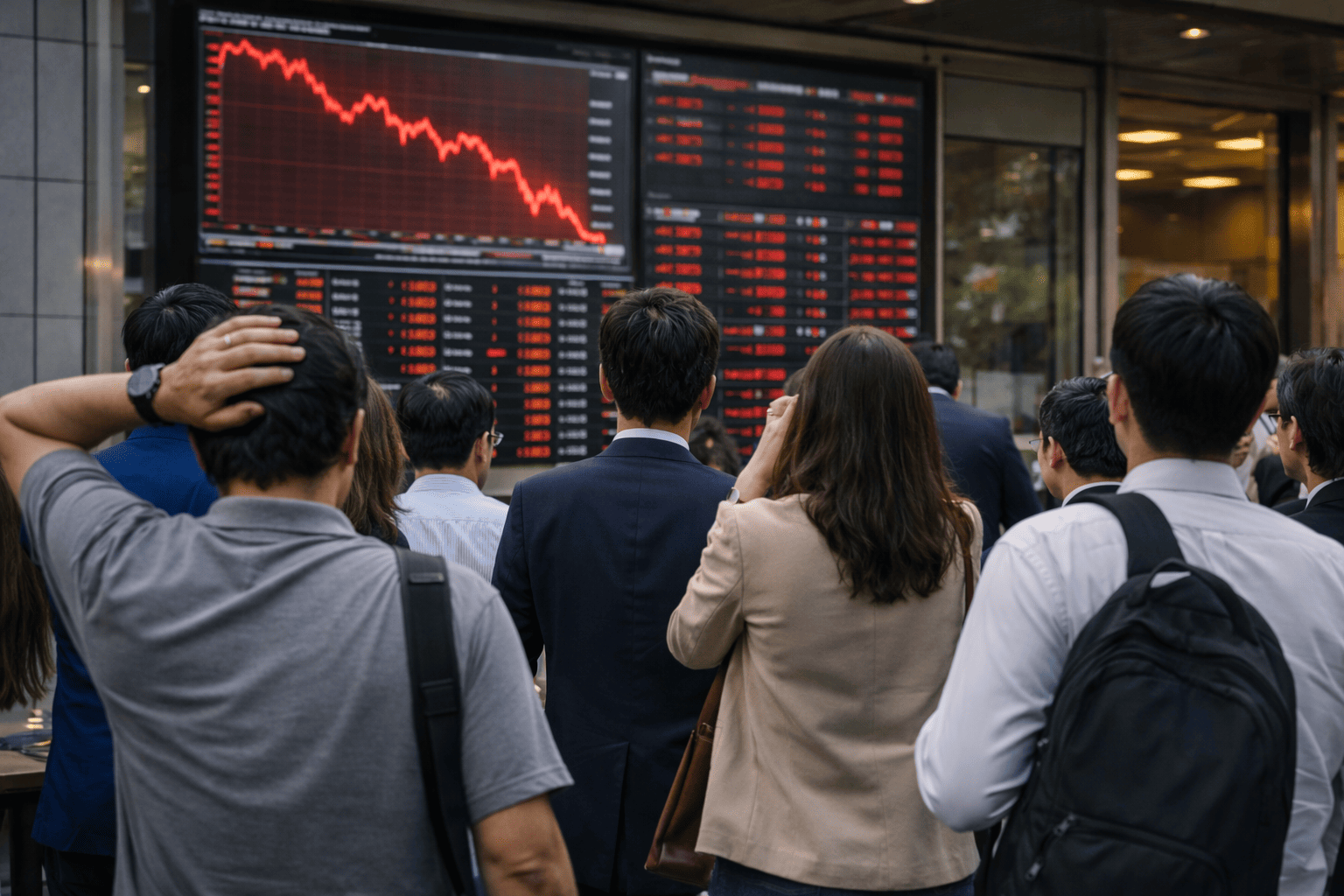
Shein's long-awaited Hong Kong listing turned into a disappointing debut on Tuesday, as shares of the fast-fashion giant slid as much as 10% despite an initial public offering that was oversubscribed. The stock opened at its HK$48.56 offer price but quickly dropped to around HK$43.80, leaving early investors nursing losses.
The IPO raised $1.7 billion, valuing Shein at approximately $26.5 billion—a stark contrast to the nearly $100 billion valuation it commanded in 2022. While the offering attracted more orders than available shares, the weak aftermarket performance underscores a broader reassessment of the company's growth prospects and profitability.
Oversubscription didn't mean cheap
Oversubscription merely indicated that investors wanted more shares at the IPO price, not that they were willing to pay a premium in secondary trading. Shein's retail tranche was subscribed 5.63 times, and its international tranche 2.59 times—modest by Hong Kong standards, where recent deals have seen hundreds of times oversubscription.
Valuation remained a key sticking point. Shein listed at more than 15 times forward earnings, according to Bloomberg Intelligence, roughly double the multiple of PDD Holdings and above the Hang Seng Index average. Charu Chanana, chief investment strategist at Saxo, told Reuters that the weak debut showed investors still did not view Shein as "obviously cheap" despite the massive valuation reset. She noted that the market increasingly treats Shein as a retailer facing margin and execution pressure rather than a disruptive high-growth platform.
Gary Tan, portfolio manager at Allspring Global Investments, echoed that sentiment in comments to Bloomberg, saying the stock was already pricing in "part of a growth comeback" before Shein had delivered one.
Tariffs and competition reshape the story
Investors are also grappling with structural changes to Shein's business model. The company long benefited from shipping low-value packages directly to U.S. consumers under the de minimis duty exemption, which the U.S. ended last year. The European Union has also imposed charges on low-value parcels, raising costs. Shein's net income fell 39% last year, and it swung to a first-quarter loss, posting a $99 million quarterly loss in July.
Competition has intensified, particularly from Temu and AliExpress, while regulatory scrutiny in major Western markets persists. Kenny Ng, strategist at China Everbright Securities International, said weaker financial performance, shifting trade policies, and geopolitical tensions are making investors more cautious about Shein's valuation. Jianggan Li, CEO of Momentum Works, added that the reset reflects not just slower growth but also investors factoring in tariffs, regulatory risks, and competition.
A crowded IPO market
The broader market backdrop has made Shein's valuation challenge even harder. Investor enthusiasm in China and Hong Kong has increasingly concentrated around AI, robotics, and memory-chip listings. Chris Weston, head of research at Pepperstone, told Reuters that the contrast with recent technology offerings shows where investors currently want exposure. That leaves Shein competing for capital against businesses promising faster structural growth and direct links to China's technology investment cycle.
Dickie Wong, research executive director at uSMART Securities, had warned before the debut that he had "never been bullish on this IPO," citing weak revenue growth and benefits flowing to earlier investors. Indeed, the IPO did succeed in attracting enough demand to complete a $1.7 billion listing after failed attempts in New York and London. But the first trading day exposed the difference between securing an IPO allocation and convincing investors to pay more in the open market.
Until Shein proves that growth and profits can accelerate again, investors appear unwilling to pay today for a comeback that remains prospective. For more on Shein's valuation reset, see Shein's IPO valuation target and early backers' payout. The broader market context, including Hang Seng's bullish flag, also matters.
This article is for informational purposes only and does not constitute financial advice.