
The Kospi Composite Index extended its sharp decline last week, dropping to 5,463 points, a level not seen in months. The index has now fallen nearly 40% from its highest point this year, as investor anxiety over the artificial intelligence (AI) sector intensifies. The selloff has been broad-based, with heavyweight technology names bearing the brunt of the selling pressure.
AI bubble fears hit South Korean tech giants
South Korean equities have lost momentum, with investors dumping shares of major companies like Samsung Electronics and SK Hynix. Samsung Electronics has dropped over 40% from its all-time high, while SK Hynix has plunged to 1.24 million won, down more than 57% from its peak this year. These declines have erased billions of dollars in market value. SK Square, which holds a significant stake in SK Hynix, has also tumbled 64% from its yearly high, reflecting the broader weakness in the semiconductor sector.
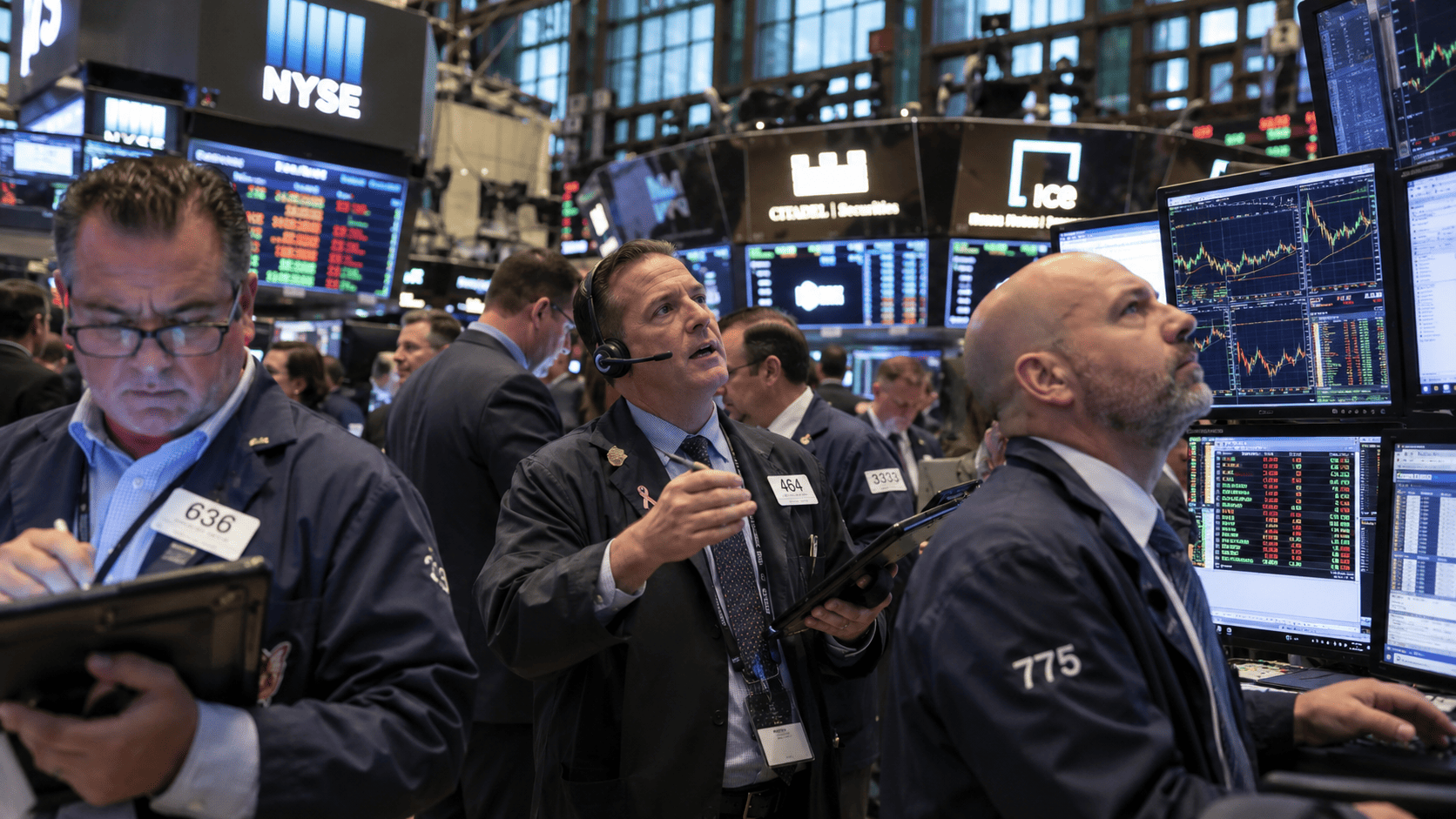
The selloff in South Korean memory chipmakers mirrors a similar downturn in US-listed peers such as Micron, SanDisk, and Western Digital. Investors are increasingly worried that the AI boom may be overhyped, with the AI Bubble Index climbing to 76, suggesting elevated risk. Prominent investors like Ray Dalio and Michael Burry have voiced concerns that the bubble could burst soon.
Adding to the pessimism, Gartner recently warned that many large AI companies may need to announce billions of dollars in impairments by 2030. The research firm highlighted neoclouds like CoreWeave and Nebius as particularly exposed. In another sign of cooling sentiment, Australian company Firmus pulled its IPO two weeks ago amid valuation pushback. Media reports also suggest that OpenAI's revenue came in $20 billion below initial expectations, and Anthropic's third-quarter revenue missed forecasts.
Oil price surge and central bank decision in focus
The Kospi is also under pressure from rising crude oil prices, driven by escalating tensions in the Middle East. Brent crude and West Texas Intermediate (WTI) have jumped to $110 and $101 per barrel, respectively. The situation could worsen as Iran continues to target ships in the Strait of Hormuz, a critical chokepoint for global oil supplies.
Investors are now looking ahead to the South Korean central bank's interest rate decision, due this week. Economists widely expect the bank to hold rates steady at 3.0% while it monitors inflation trends. The decision could influence market sentiment, but the immediate focus remains on the AI selloff and geopolitical risks.
Technical outlook points to further downside
From a technical perspective, the Kospi's daily chart shows a clear downtrend. The index has fallen from 9,400 points in June to the current 5,668 points. It recently failed to break above the key resistance level of 7,209, which it tested in August, September, and October. The index now trades below its 50-day and 100-day moving averages, while the Average Directional Index (ADX) has risen, indicating strengthening bearish momentum.
Given these signals, the index is likely to remain under pressure in the near term. The next support level to watch is 5,272, the low from July. A break below that could open the door to further declines, potentially toward the 5,000 mark.
This article is for informational purposes only and does not constitute financial advice.