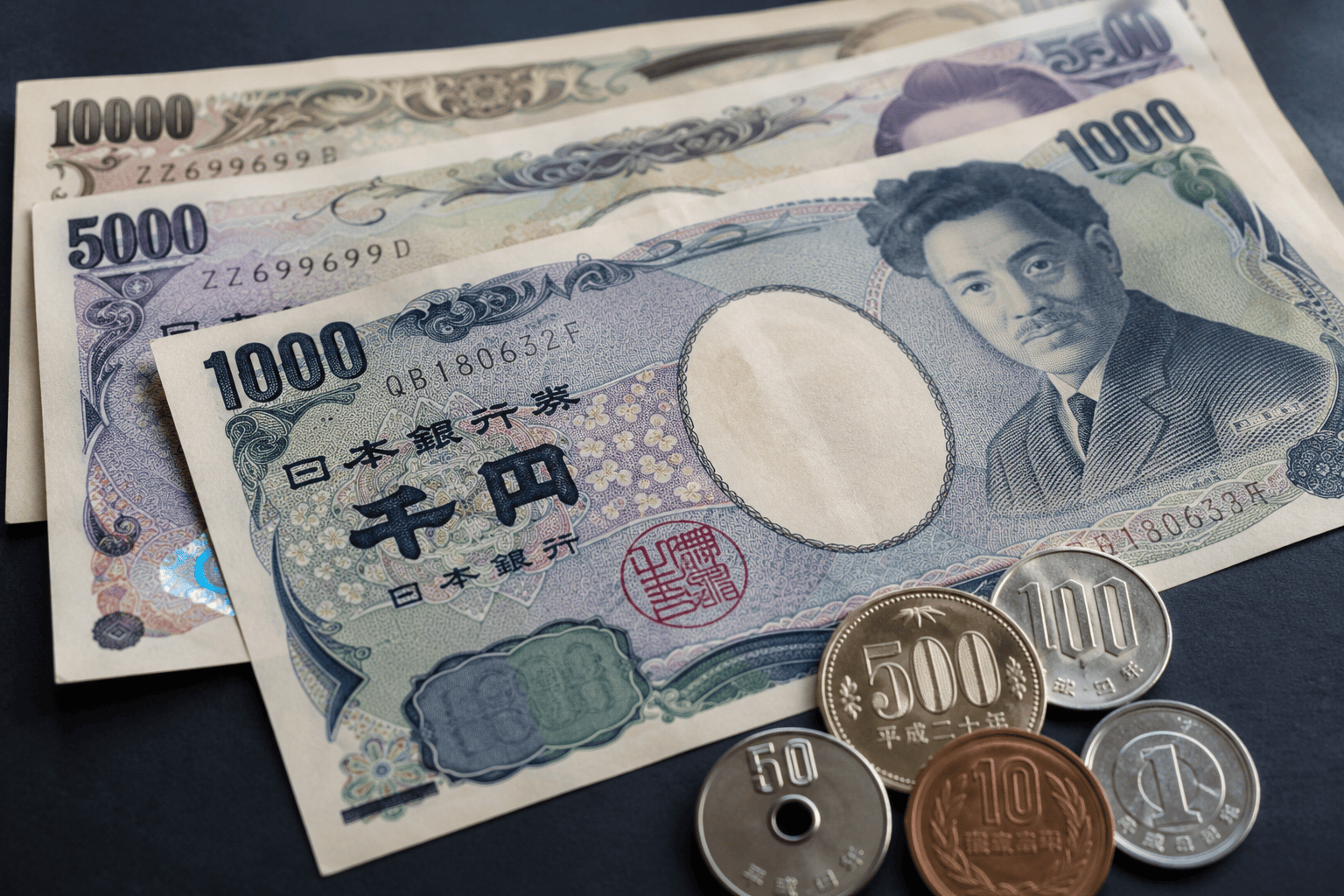
Japan's benchmark 10-year government bond yield touched 3% on Tuesday, a level not seen since 1996, as a worldwide selloff in government debt intensified. The move reflects growing investor anxiety over persistent inflation, rising government borrowing, and the possibility that central banks will keep interest rates higher for longer.
Global yields climb across major markets
The rise in Japanese yields was part of a broader trend. The US 10-year Treasury yield climbed more than 2 basis points to 4.7840%, while the 30-year yield rose to 5.2740%. The 2-year Treasury yield, which is closely tied to Federal Reserve policy expectations, edged up to 4.3604%. In the UK, the 10-year gilt yield advanced to 5.14%, and Germany's 10-year yield reached 3.34%, its highest since 2011. Australian 10-year yields posted their largest single-day jump in five months.

Oil prices and Middle East tensions fuel inflation concerns
Renewed military exchanges between the US and Iran have added to inflationary pressures. On Monday, missiles and drones targeted Iranian rocket launchers in the Strait of Hormuz, and Iran retaliated against US bases in Jordan and the UAE. President Trump threatened further action, saying, "We're going to hit them hard." Brent crude futures rose above $91 a barrel, raising concerns that higher energy costs could keep inflation elevated and force central banks to maintain or raise interest rates.
The Strait of Hormuz is a critical chokepoint for global oil shipments, so any prolonged disruption could push crude prices significantly higher, raising transportation and production costs worldwide. Tai Hui, APAC chief market strategist at JP Morgan Asset Management, noted that seasonal energy demand and geopolitical risks could keep inflation elevated.
Fiscal pressures add to bond market strain
Beyond geopolitics, bond markets are grappling with a surge in government and corporate debt issuance. US government debt has surpassed $40 trillion, while major technology companies are raising substantial capital to fund data-center construction and AI infrastructure. This means governments and corporations are competing for the same pool of investor capital.
Japan faces its own fiscal challenges. Government ministries are expected to request a record initial budget for the next fiscal year, and Prime Minister Sanae Takaichi is pursuing an aggressive investment agenda. Higher bond yields increase borrowing costs, making fiscal sustainability a more pressing concern. Fred Neumann, chief Asia economist at HSBC, said Japan's rising yields reflect both domestic fiscal worries and the global increase in long-term funding costs.
Japan's changing role in global bond markets
The 3% threshold is a significant milestone for a market that has operated under near-zero interest rates and heavy Bank of Japan intervention for years. Masahiko Loo, senior fixed income strategist at State Street Investment Management, described the move as a sign of normalization rather than an immediate crisis.
However, the implications extend beyond Japan. For years, low domestic yields pushed Japanese investors to seek higher returns abroad, making them major buyers of US Treasuries, Australian bonds, and European debt. As Japanese yields become more attractive, that dynamic could gradually shift. Loo noted that the issue is not a sudden wave of capital repatriation, but a gradual reduction in Japan's role as a marginal buyer of foreign bonds.
This shift could add upward pressure on global yields, as one of the largest sources of demand for overseas debt becomes less active. For Japan, the challenge is particularly acute given its massive government debt burden, which is among the highest in the world.
This article is for informational purposes only and does not constitute financial advice.