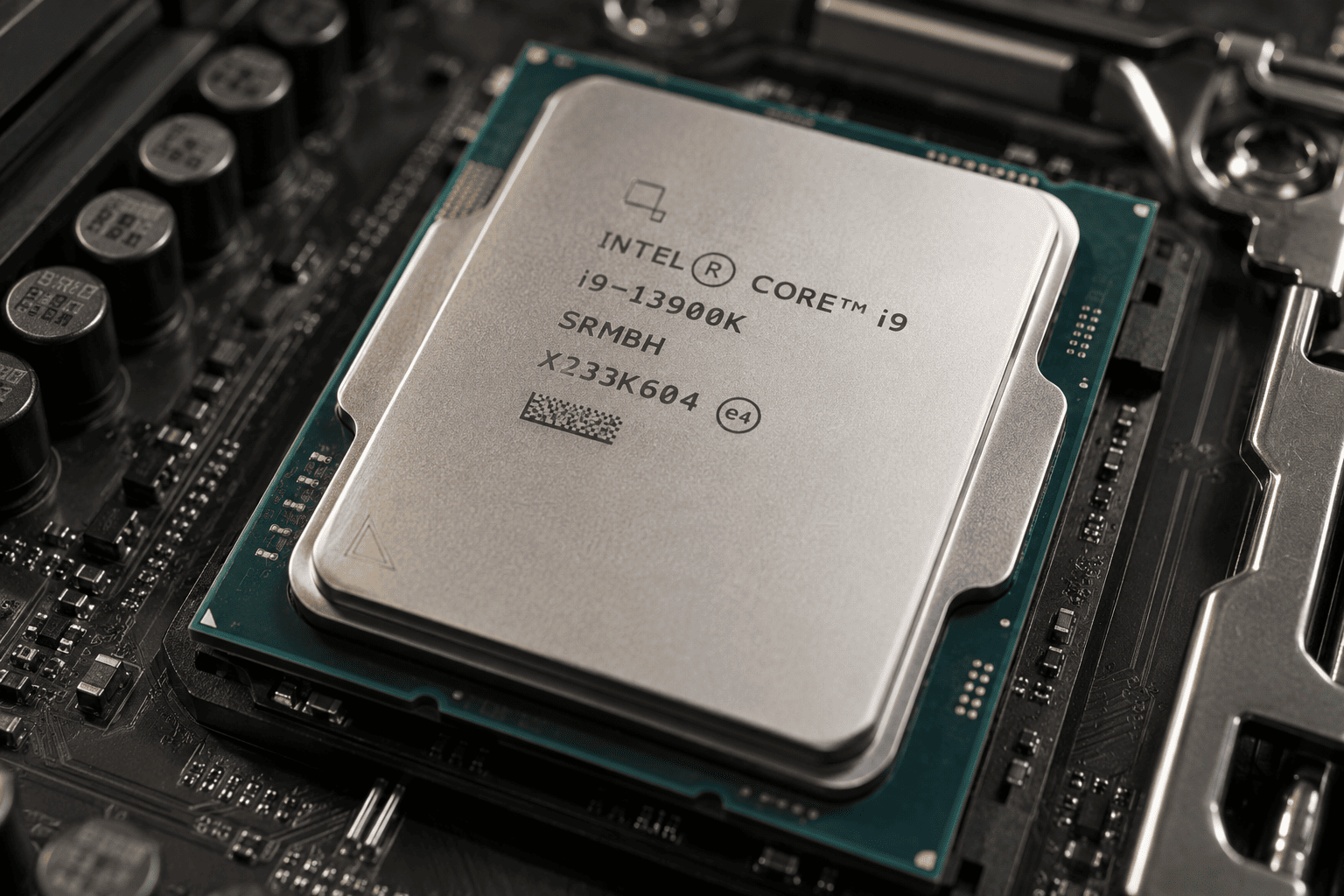
Intel's shares experienced a dramatic decline of approximately 26% in premarket trading on Friday, following the company's release of a fourth-quarter revenue forecast that fell short of market expectations. The chipmaker attributed the weaker outlook to ongoing softness in the global personal computer market and manufacturing disruptions.
The company reported third-quarter adjusted earnings per share of 52 cents, surpassing the 40 cents analysts had anticipated. Revenue for the quarter reached $16.51 billion, marginally above the $16.5 billion consensus estimate. However, investor attention quickly shifted to the December quarter guidance, which projected revenue between $15 billion and $16 billion, significantly below the $17.1 billion forecast by analysts tracked by FactSet.

Intel also indicated that PC chip revenue is expected to decline in the mid-20% range during the fourth quarter, following a 5% drop to $8.10 billion in the September quarter. If the premarket losses hold, Intel would record its largest one-day share-price decline in over two years, with a potential loss of more than $100 billion in market capitalization, marking the biggest single-day market value drop on record, according to Dow Jones Market Data.
PC Weakness and Manufacturing Disruptions
Intel's finance chief, David Zinsner, stated that the PC slowdown is expected to persist into the first half of next year. The company is also grappling with the aftermath of an explosion at its fabrication plant in Israel, which resulted in two fatalities and one serious injury. This incident is projected to cost approximately $600 million in lost revenue over two quarters, as CEO Lip-Bu Tan described it as an "unfortunate and tragic accident" that led to an extended shutdown, affecting shipments of 10-nanometre chips.
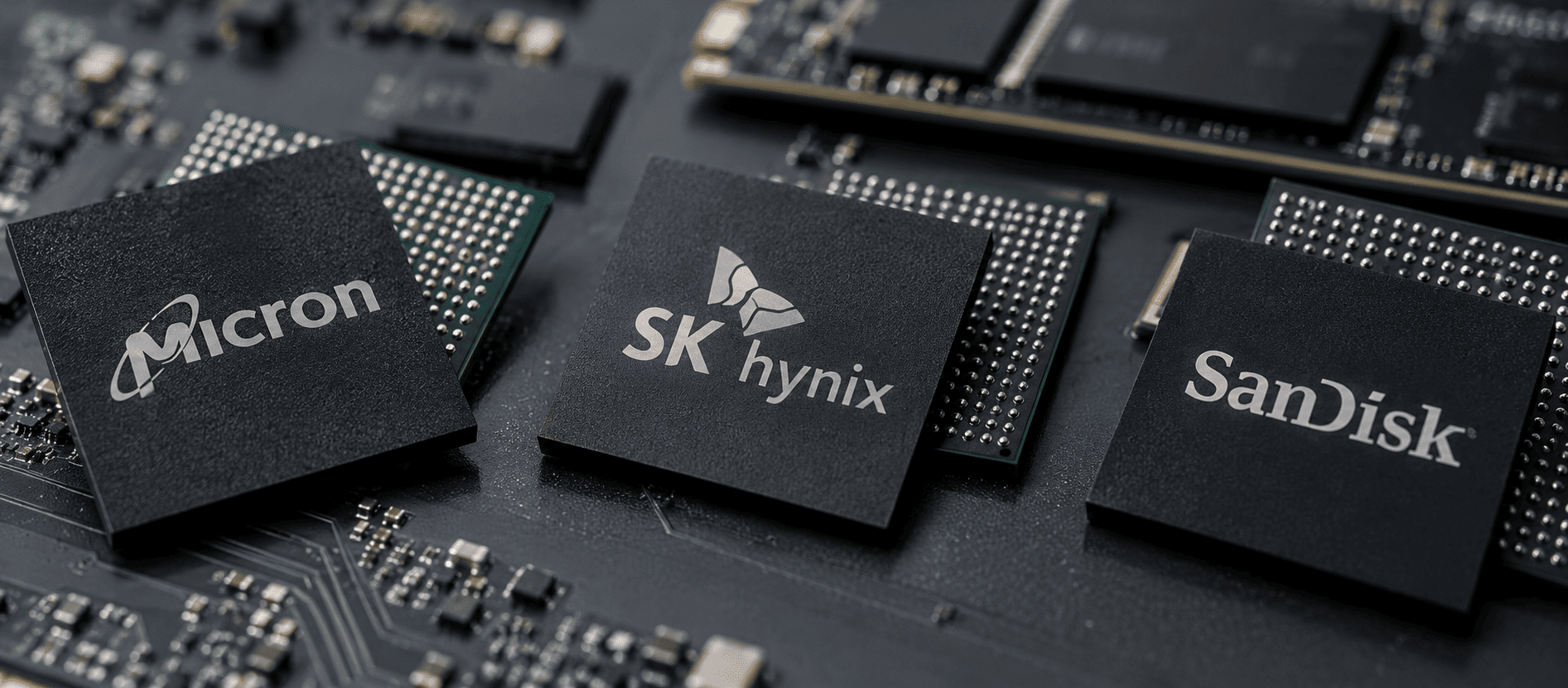
Additionally, rising memory-chip prices have increased PC costs, while tighter IT budgets are dampening demand. Despite heavy investments in manufacturing capacity, supply disruptions have hindered Intel's ability to meet strong demand for data-centre chips. Tan acknowledged these challenges, noting, "We face near-term challenges, including manufacturing supply shortages, the unprecedented memory crunch, and the resulting softness in PC demand."
Analysts Downgrade and Price Target Cuts
The weak outlook prompted several analysts to reassess their positions. BofA Securities downgraded Intel to Neutral from Buy, slashing its price target to $100 from $145. The firm cited insufficient progress in attracting external foundry customers and expects PC shipments to decline 25% to 30% quarter-on-quarter in the fourth quarter, with further inventory correction likely in the first half of 2027. BofA also noted that Intel's data-centre CPU business is performing well amid rising demand for agentic applications, but supply constraints related to substrates are limiting growth. The firm added that Intel's products are not yet technically competitive with AMD and ARM-based rivals, which are growing two to four times faster.
Roth Capital analyst Suji Desilva also downgraded Intel to Neutral from Buy, cutting the price target to $70 from $120. Morgan Stanley analysts, led by Joseph Moore, described Intel's stock as unattractive even after the steep decline, expecting the company to lose market share to fabless competitors with lower capital spending requirements. Advanced Micro Devices, Nvidia, Graviton, and Axion are expected to materially outgrow Intel's 30% market growth rate in CPUs in 2027.
Jefferies analysts, led by Blayne Curtis, viewed the revenue reset as less concerning because it was driven by weaker PC demand rather than a deterioration in the data-centre and AI business. However, they warned that Intel could continue losing market share next year, "making it tough to underwrite the longer-term story even with Foundry/packaging customer announcements."
AI and Foundry as Long-Term Catalysts
Despite the negative sentiment, some investors see Intel's expanding data-centre business and foundry ambitions as potential drivers of a longer-term recovery. Nicholas Mugalli of World Trade Securities noted that Intel's AI business is growing while its traditional PC operations are contracting. "The AI side of Intel is booming, and the old PC side is shrinking. For now the old side is bigger, so it wins the guide. Note too that $0.17 of this quarter's EPS came from a mark-to-market gain, not the business imo."
Mugalli argued that investors are focusing too heavily on near-term weakness while overlooking the company's longer-term opportunities. "We think the market is punishing the right problem with the wrong time horizon. PCs will recover. Data center growing 78% and a foundry growing 58% are the future of this company."
This article is for informational purposes only and does not constitute financial advice.