
US equities opened mixed on Wednesday as investors balanced renewed geopolitical tensions with persistent optimism in the artificial intelligence sector. The Dow Jones Industrial Average advanced 215 points, while the S&P 500 edged up 0.10% and the Nasdaq Composite slipped 0.05%.
Renewed US-Iran clashes have reintroduced geopolitical risk after a period of relative calm, reviving concerns about energy supply and inflation. Oil prices remain near $90 a barrel, adding to inflationary pressures that could influence the Federal Reserve's policy path.
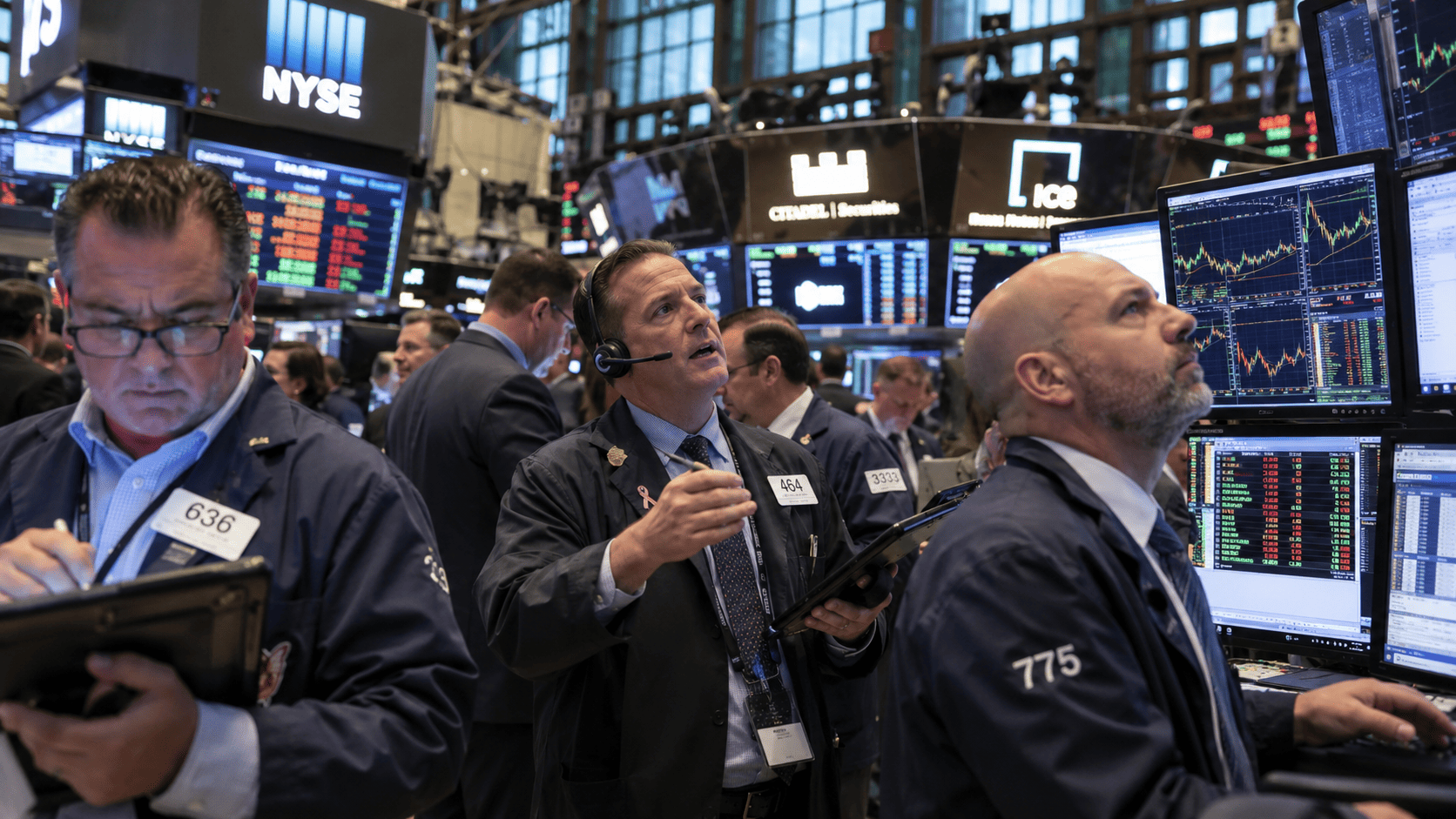
Meanwhile, AI-related stocks provided a counterweight. Dell Technologies jumped 6.65% after raising its annual profit and revenue forecasts, while Nvidia gained 1.01%. Apple and Tesla each fell 0.26% and 0.79%, respectively, reflecting a mixed tech landscape.
Bond yields climb, pressuring valuations
Treasury yields remained a key overhang for equities. The 10-year US Treasury yield briefly touched 4.814%, its highest since November 2023, before retreating two basis points. Yields also rose in the UK, Germany, France, and Japan, with Japan's 10-year yield hovering near multi-decade highs.
Higher yields increase the discount rate on future earnings, which can weigh on equity valuations. Investors are increasingly concerned that elevated oil prices could complicate the Fed's inflation fight.
According to the CME FedWatch tool, markets now price a 66% probability of a September rate hike, up from about 37% a week earlier. The shift followed comments from Federal Reserve Chair Kevin Warsh emphasizing inflation control.
Global markets retreat, jobs data in focus
Overseas markets were broadly lower. The pan-European Stoxx 600 fell 0.49%, with the FTSE 100 and CAC 40 each down about 0.6%. Germany's DAX declined 0.7%, and Italy's FTSE MIB dropped 0.5%.
Asian indices also slid: Japan's Nikkei 225 plunged 2.85%, South Korea's Kospi fell 4%, Australia's S&P/ASX 200 lost 0.97%, and China's CSI 300 ended 1.38% lower. The declines were partly attributed to Japan's 10-year yield hitting 3% and oil and bond yields overshadowing chip buybacks.
Investors are now awaiting Friday's US jobs report for further clues on the economy and Fed policy. Ahead of that, ADP reported that private employers added 38,000 jobs in August, below the upwardly revised 46,000 in July and the 47,000 expected by economists. Job gains were concentrated in healthcare and a few other industries.
The weaker-than-expected payrolls figure adds another data point for markets assessing the balance between growth, inflation, and monetary policy as September trading begins.
This article is for informational purposes only and does not constitute financial advice.