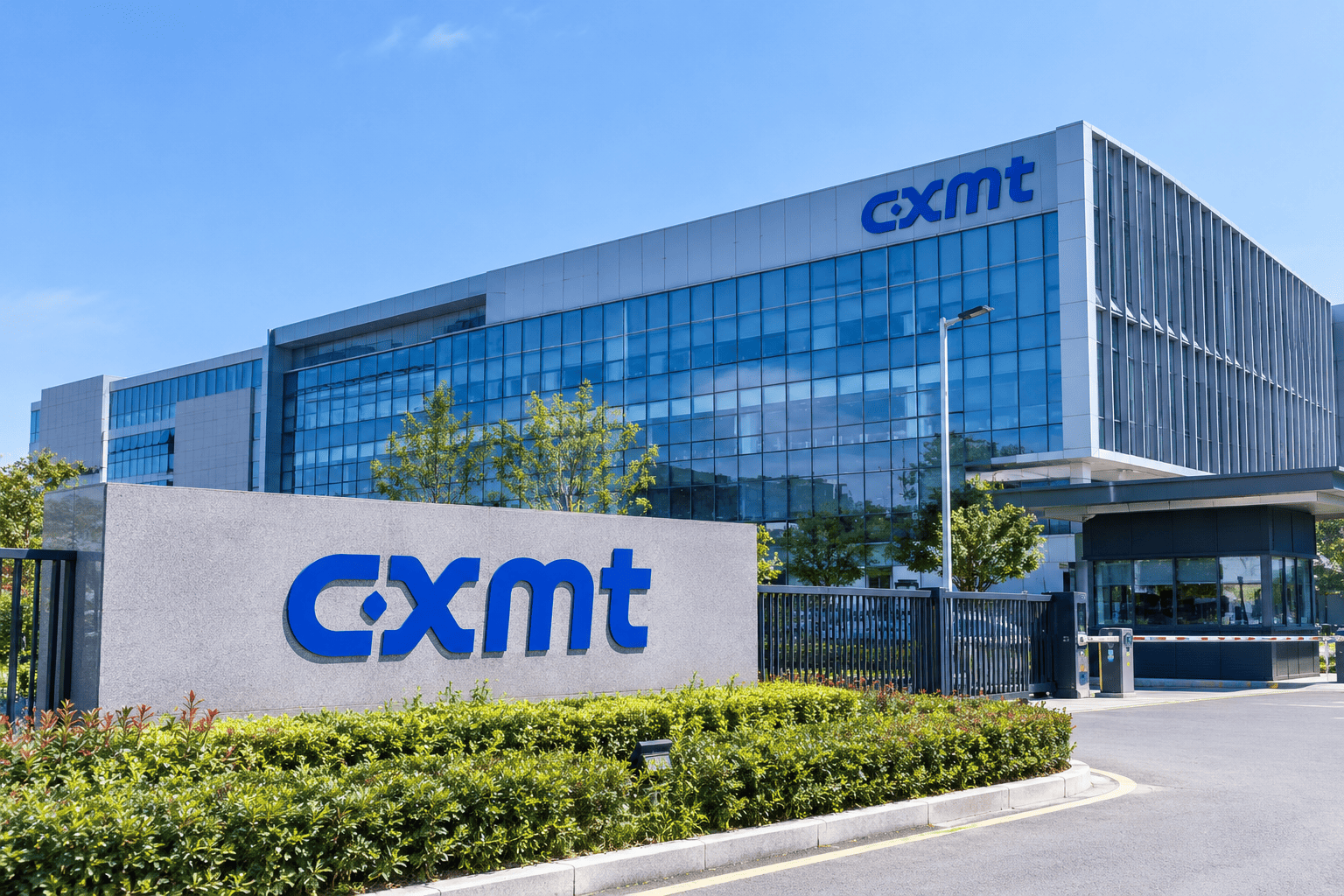
China's ChangXin Memory Technologies (CXMT) reported a dramatic surge in third-quarter revenue, climbing 613.2% year over year to 118.71 billion yuan ($16.7 billion), as memory-chip prices soared amid tight global supply. The company also posted a net profit attributable to shareholders of 54.4 billion yuan ($8.17 billion) for the three months ended September 30, reversing a loss in the same period last year.
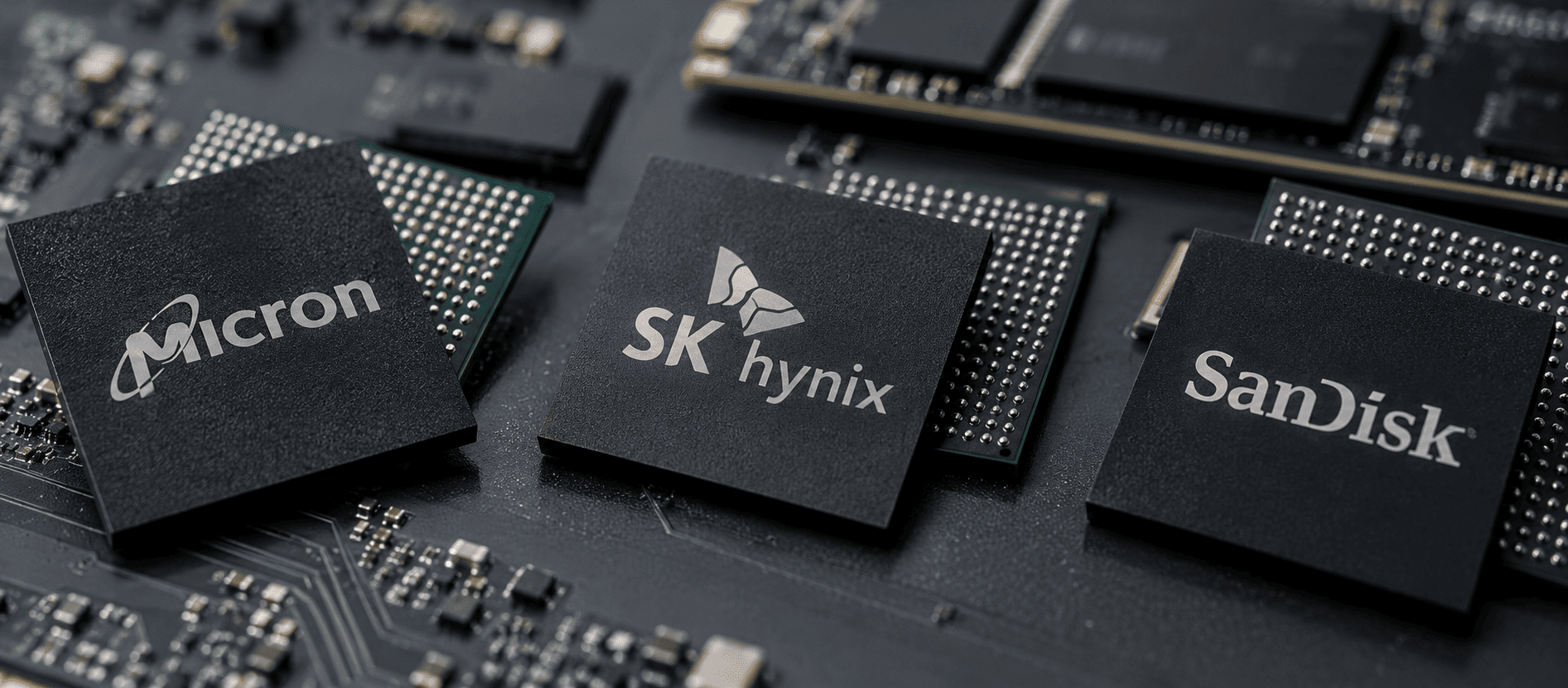
The results underscore CXMT's rapid ascent in the global memory industry, where established players like Samsung Electronics, SK Hynix, and Micron are now facing a more competitive landscape. The earnings announcement coincided with a selloff in US memory and storage stocks, with Micron dropping over 6% and SanDisk down nearly 9.5% in premarket trading. In South Korea, Samsung fell 3%, while SK Hynix closed 7% lower.

CXMT attributed the improvement to higher memory-chip prices amid tight supply, alongside capacity expansion and a shift towards a more favorable product mix. As major rivals increasingly prioritize higher-value products such as high-bandwidth memory (HBM), CXMT has benefited from demand for conventional DRAM products.
For the first nine months of 2026, revenue reached 269.02 billion yuan, while net profit attributable to shareholders stood at 132.04 billion yuan. The company had recorded a loss of about 5.3 billion yuan in the corresponding period last year.
Stock Retreats After Blockbuster Debut
CXMT made its Shanghai stock market debut in July, with shares surging 466% on their first trading day and briefly making it China's most valuable listed company. Its 58-billion-yuan offering was Asia's largest IPO this year.
However, the stock has since lost ground, closing 2.5% lower on Friday. It has fallen approximately 32% from its August peak as investors reassess valuations and the sustainability of the AI investment boom.
Investors are weighing the durability of elevated memory margins against the possibility of additional competition and the overall sustainability of the AI trade. The recent declines in global chip stocks reflect these concerns.
New Technology Adds to Competitive Concerns
CXMT has also reported progress on a new DRAM cell architecture known as 4F², designed to fit more memory cells onto a chip and potentially increase storage density. The company plans to introduce a server-memory product using the technology by the end of 2026.
Samsung and SK Hynix are pursuing similar approaches, making the technology an important area of competition among memory manufacturers. Earlier reports of CXMT's progress triggered a selloff across global chip stocks as investors assessed the potential impact on established suppliers.
The technology has yet to demonstrate large-scale commercial production, but CXMT's rapid financial growth and manufacturing expansion are already adding to pressure on established memory-chip makers.
This article is for informational purposes only and does not constitute financial advice.