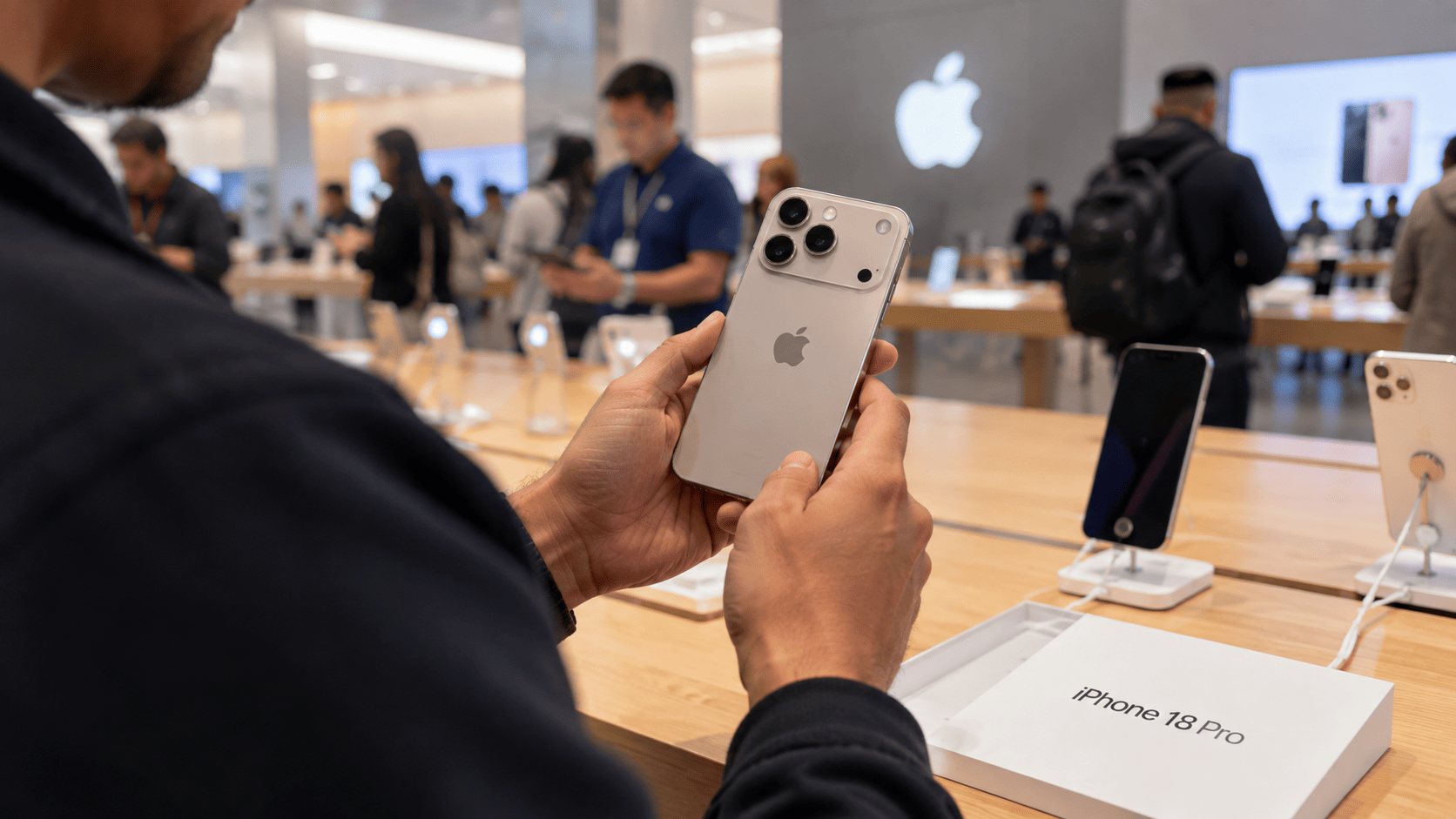
Apple's stock edged lower on Monday, slipping 0.54%, after a KeyBanc survey revealed that consumer intentions to upgrade their iPhones over the next year have weakened, even though initial interest in the upcoming iPhone 18 appears stronger than its predecessor.
The survey found that approximately 20% of respondents had already purchased or pre-ordered an iPhone 18, up from 17% for the iPhone 17 a year earlier. However, only 41% indicated they were likely to upgrade within the next 12 months, a notable drop from the 48% recorded in the previous survey.

KeyBanc analyst Brandon Nispel attributed the softening upgrade appetite to rising prices, reduced carrier promotions, and the fact that many existing devices still meet consumers' needs. "Below the surface, the broader base of consumers are less likely to upgrade as prices rise, carriers restrict promotions, and their existing hardware is adequate," Nispel wrote. "This ultimately leads to a moderation in unit volumes."
The survey also highlighted a shift toward premium models. Among those who purchased or pre-ordered an iPhone 18, 55% chose the Pro model and 45% selected the Pro Max, compared with 37% and 41% respectively in the prior year's survey. This preference for higher-priced devices could support Apple's average selling prices, potentially offsetting some pressure from slower unit growth. Nevertheless, KeyBanc expects higher prices and fewer carrier incentives to remain significant hurdles to broader demand.
Interest in Apple's anticipated foldable iPhone Duo also showed a gap between enthusiasm and purchase intent. While 44% of respondents expressed interest in the device, only 24% said they were likely to buy it within the next 12 months at its $1,999 price point.
The survey further indicated that Apple's artificial intelligence features are becoming a less compelling reason for consumers to upgrade. About 33% of respondents said they would upgrade because of AI capabilities, down from 42% in the previous survey. Meanwhile, 65% said they were unwilling to pay a monthly fee for AI features, up from 61% a year earlier. These findings suggest that AI-driven improvements may not be enough to persuade a larger share of consumers to replace their current iPhones, particularly when price remains a concern.
Valuation concerns persist despite Apple's market strength. KeyBanc noted that the stock trades at roughly 40 times its 2027 earnings estimate, compared with a three-year average of approximately 27 times. The brokerage maintains an Underweight rating, reflecting its view that valuation risks are significant as upgrade intentions weaken. Nispel assigned a $250 price target, implying a potential decline of 27% from Friday's closing price.
Apple had largely avoided the broader technology-sector weakness tied to AI spending concerns, with its market capitalization surpassing $5 trillion for the first time last week. However, questions remain about whether earnings growth can justify the elevated valuation.
Not all analysts share the cautious outlook. Melius analyst Ben Reitzes rates Apple a Buy with a $370 price target, arguing that the company's relatively limited AI capital expenditure distinguishes it from competitors planning substantial investments in the technology. Reitzes described Apple as "the poster child for how the market is rewarding a capex-lite approach that is AI-model agnostic."
This article is for informational purposes only and does not constitute financial advice.